
Gold As An Inflation Hedge 50 Years After the Nixon Shock

In 1944 and the U.S. dollar, fixed to gold at a rate of $35/oz, became the world’s reserve currency under the Bretton Woods agreement.
Meanwhile, the U.S. increased its money supply in order to finance the deficits of World War II followed by the Korean war and the Vietnam war. Hence, the buying power of the dollar reduced from 20 bottles of Coca-Cola in 1944 to a drive-in movie ticket by 1964.
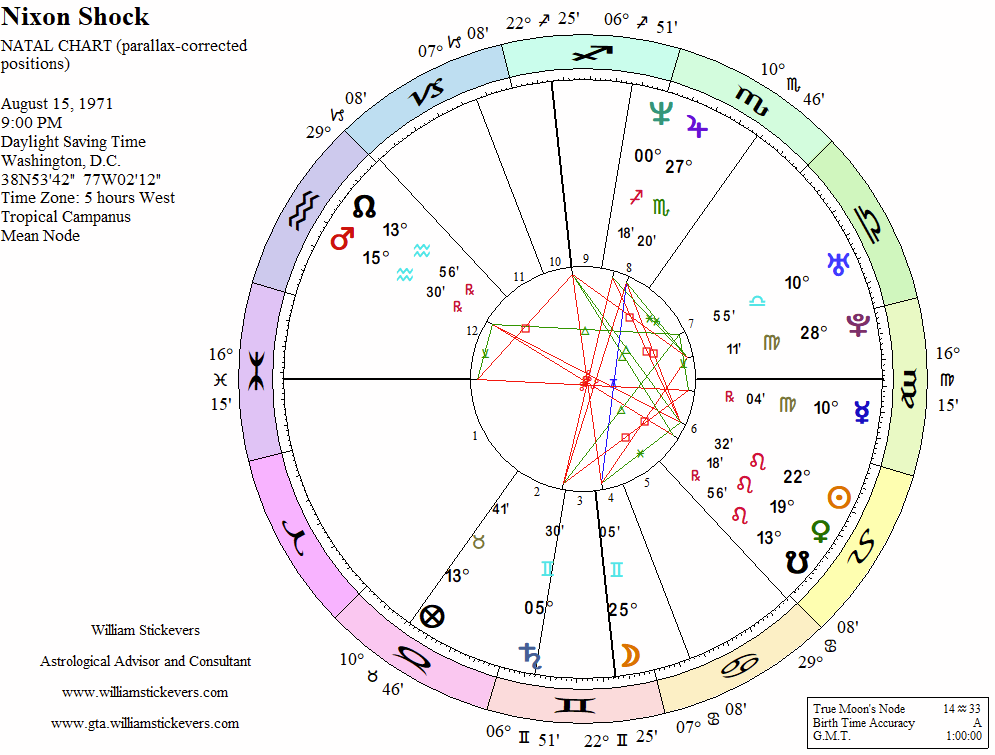
By the late 1960s, the number of dollars in circulation was too high to be backed by U.S. gold reserves. President Nixon ceased direct convertibility of U.S. dollars to gold in 1971. This ended both the gold standard and the limit on the amount of currency that could be printed.
By the 1980’s the money supply (M2) in the U.S. began to dramatically increase and began to skyrocket over the last two decades, up from $4.6 trillion in 2000 to $19.5 trillion in 2021. The effects of the rise in money supply were amplified by the financial crisis of 2008 and more recently by the COVID-19 pandemic. In fact, around 20% of all U.S. dollars in the money supply, $3.4 trillion, were created in 2020 alone.
On the anniversary of the metal’s unleashing by Nixon, the past 50 years have shown that pretty much everything has gone up since the US left the gold standard in 1971, and the things that went up most – stocks — are by definition the best “inflation hedges,” while bonds are just about as good as gold.
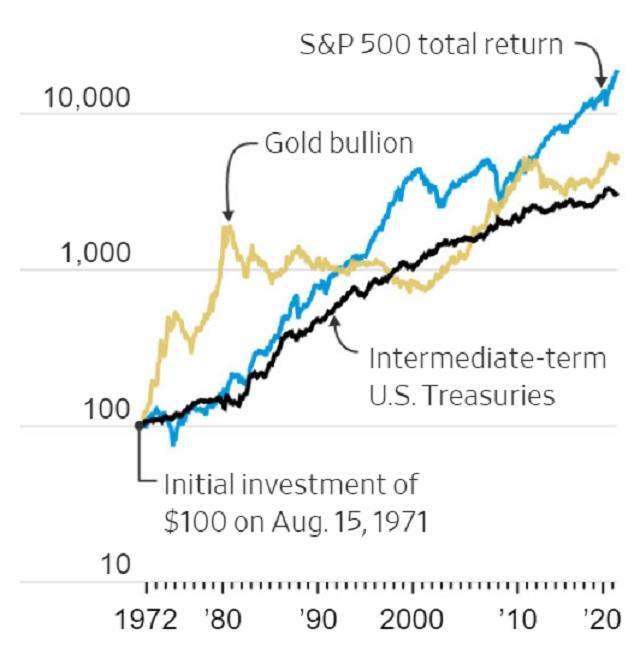
So what’s wrong with this conclusion?
Simply put, gold is not an “investment”. It is money.
You don’t own it in place of Amazon stock or Treasury bonds, you own it in place of the dollars that might otherwise be in your pocket, your bank account, or under your mattress.
Here’s a picture that’s as clear as the previous one is obscure.
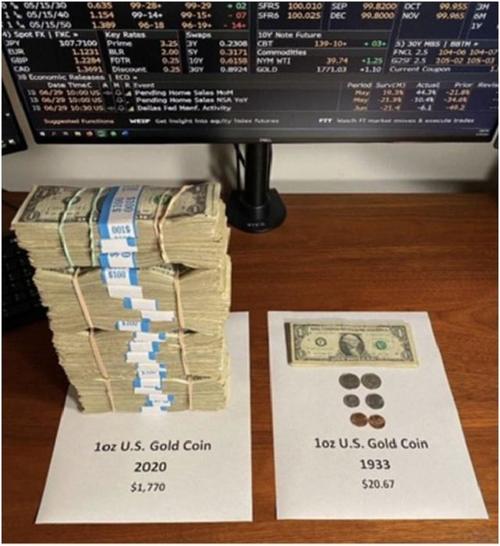
Two piles of dollars and coins.

The one on the right is the amount that was required to buy an ounce of gold in 1920.
The other, massive pile is the number of dollars it takes to buy an ounce of gold today.
The upshot: gold has protected its owners’ purchasing power while the dollar has been depreciated to oblivion. That is the definition of an “inflation hedge.”
Responses