
What Is A Stablecoin?

Stablecoin is a cryptocurrency whose value is pegged to less volatile assets like fiat currencies, collaterals, other cryptocurrencies, a basket of goods in a consumer price index, precious metals or oil. Some stablecoin projects even attempt to fix a steady value using algorithms. The general idea of a stablecoin is to produce a crypto asset whose value isn’t prone to extreme volatility.

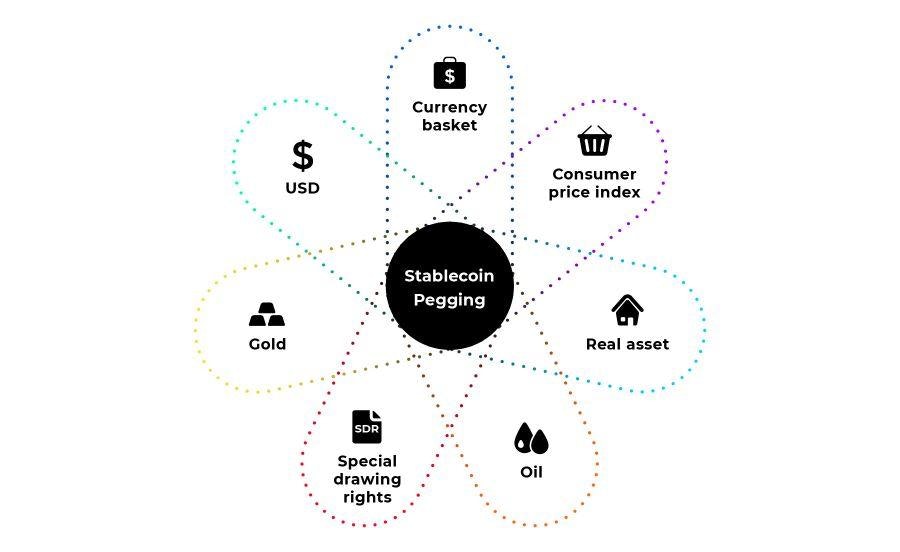
The most popular stable coins include as follows:
Tether (USDT)

TrueUSD (TUSD)

Dai (DAI)
[CHART]
Paxos Standard Token (PAX)

USD Coin (USDC)

Gemini Dollar (GUSD)
[CHART]
Stablecoins play a vital role in the cryptocurrency ecosystem. With them, anyone can:
- Have a stable store of value during volatile market periods.
- Use a stable cryptocurrency for fast and immutable global remittances and payments.
- Send uncensorable transactions to anyone with a wallet and the internet connection.
- Send large amounts of money with lesser fees.
How Do Stablecoins Differ?
There are four categories of stablecoins:
- Fiat-collateralized. The most common type of stablecoins. Almost all of them rely on centralized institutions and can be centralized. Examples: Tether (USDT), TrueUSD (TUSD), USD Coin (USDC).
- Crypto-collateralized. Crypto-collateralized stablecoins don’t depend on traditional finance infrastructure and use crypto assets as collateral. They are less centralized and transparent, but also more complex by design. Examples: Dai (DAI) & Maker (MKR); Havven (HAV) & nUSD, Bitshares (BTS) BitUSD.
- Algorithmic non-collateralized. These are stablecoins which seek to attain stability by using software-based economic models. They are decentralized by nature, but also highly risky and complex, since they need continuous growth to maintain balance. Examples: Basis, Kowala, Carbon, Fragments.
- Hybrid stablecoins. These are stablecoins which rely on a blend of the approaches listed above. Examples: Reserve, Saga, Aurora – Boreal.
Posted Apr 19, 2020
Responses