
Arab Spring 2.0 Begins: Iraqis Take To The Streets In Protest Of Soaring Food Prices

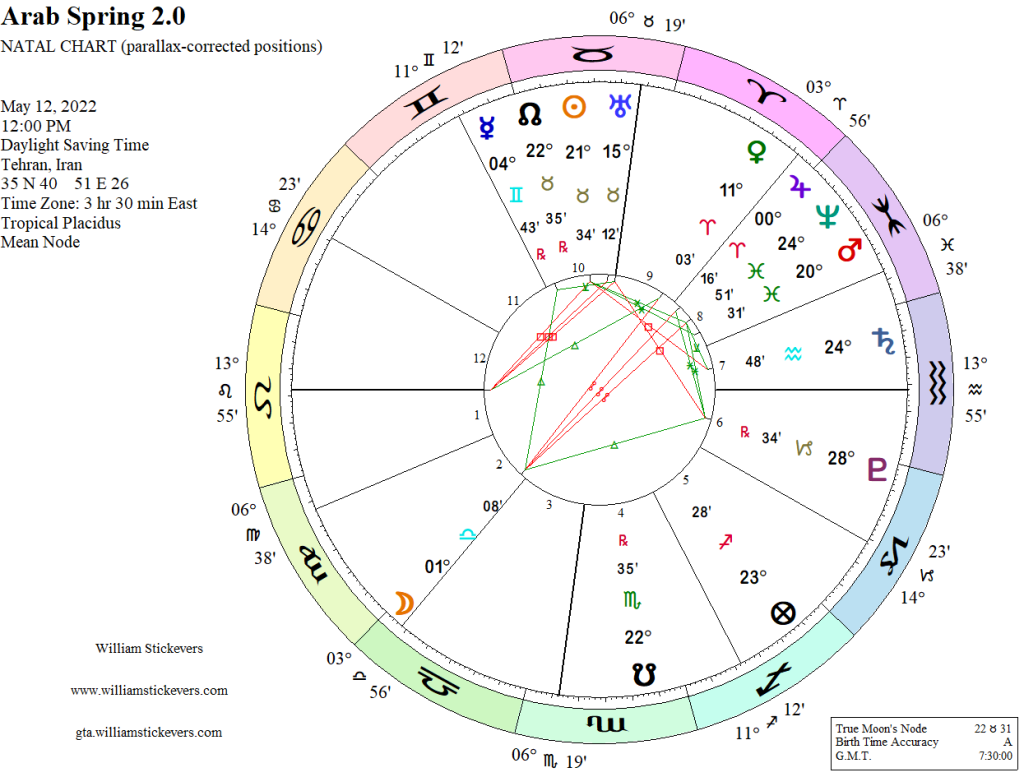
With commodity costs hitting daily record highs, and food prices far surpassing levels seen in the historic 2011 as a result of the collapse of Russian and Ukrainian food exports…
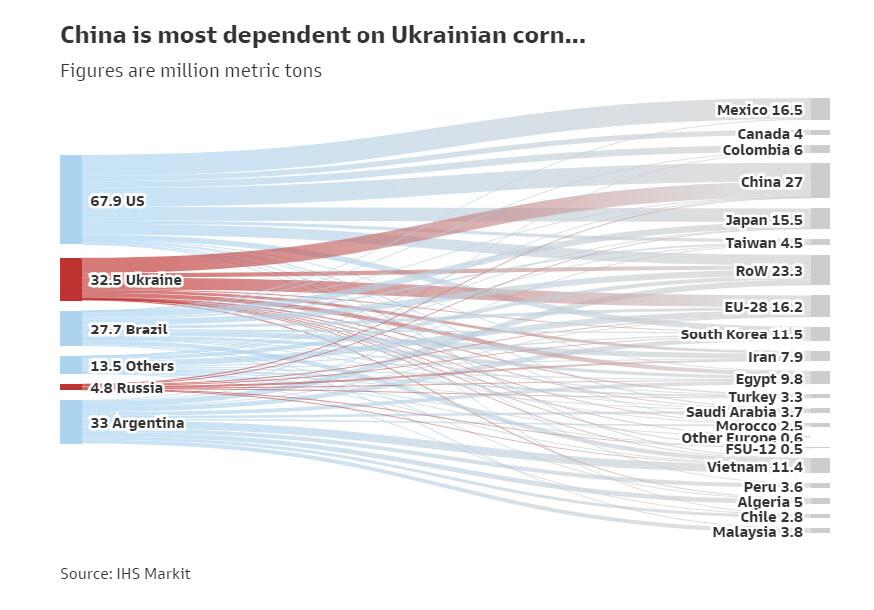
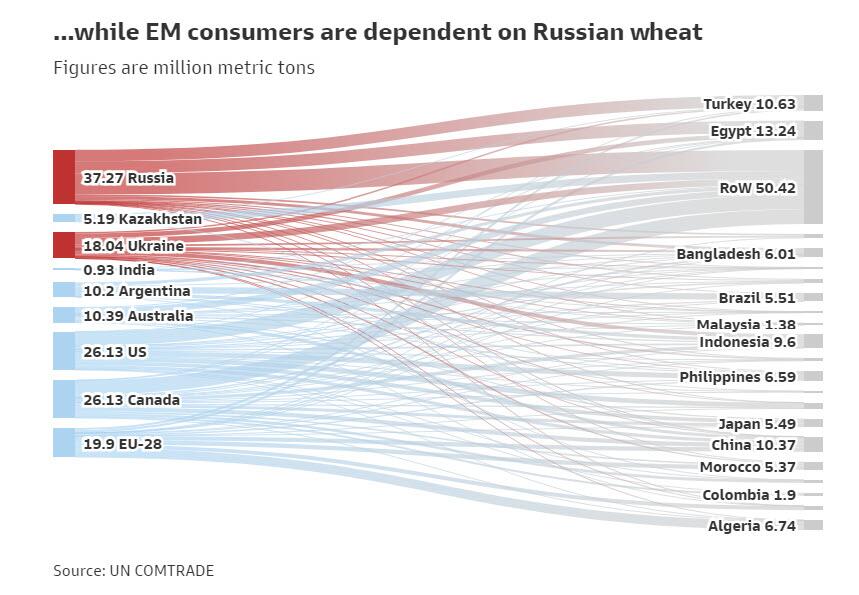
… and Russia’s upcoming fertilizer trade ban…
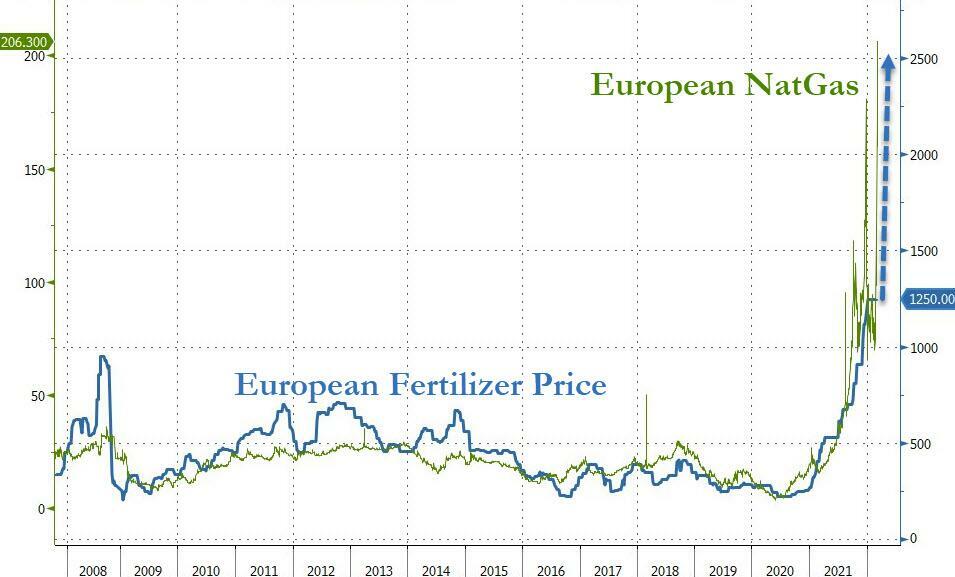
And as food prices keep rising, the protests across poor nations keep escalating, and on Thursday protests broke out in Iran leading to at least 22 arrests, after the government cut subsidies for food, sending prices through the roof as authorities braced for more unrest in the following weeks, Fox News reports.
Food prices across the Middle East have surged due to global supply chain snarls and Russia’s invasion of Ukraine, which both export many essentials. Iran imports half of its cooking oil from Ukraine, where fighting has kept many farmers from the fields. Although Iran produces roughly half of its own wheat, it imports much of the rest from Russia. The war has added to inflationary pressures.
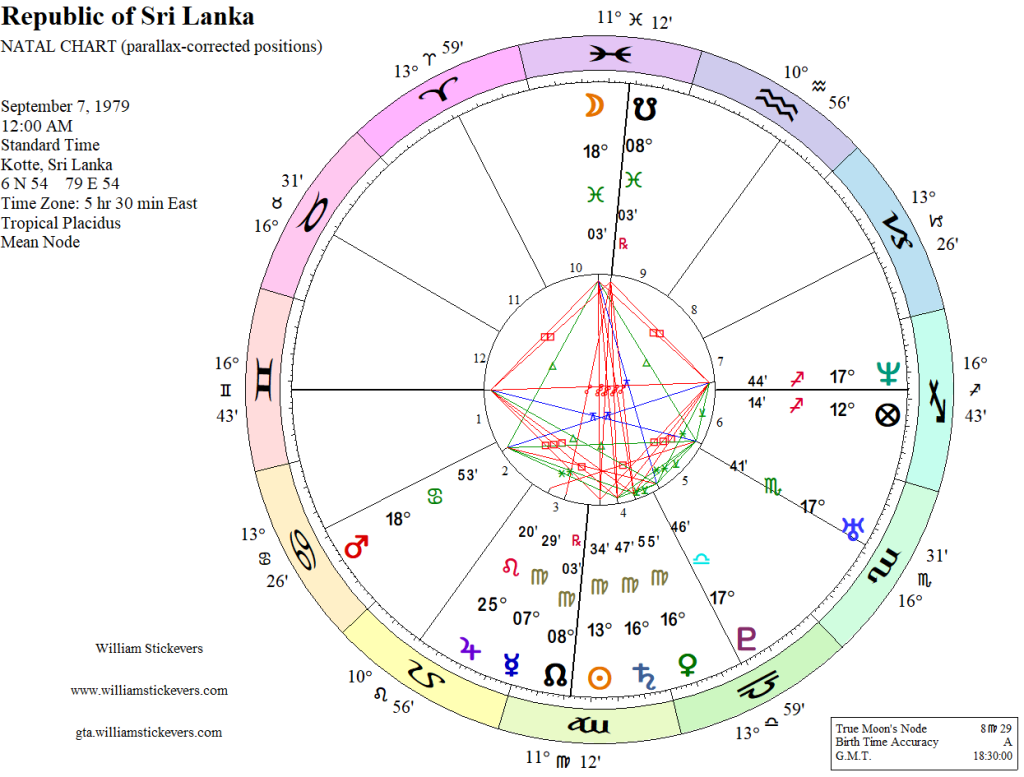
Food shortages are not only happening in Iran but also in Sri Lanka as well. Sri Lanka, a nation of 22 million people, is grappling with a devastating economic crisis, with prices of everyday goods soaring, and there have been widespread electricity shortages for weeks. Since March, thousands of anti-government protesters have taken to the streets, burning down homes belonging to 38 politicians as the crisis-hit country plunged further into chaos, with the government ordering troops to “shoot on sight.” Sri Lankans continue to defy a nationwide curfew to protest against what they say is the government’s mishandling of the country’s worst economic crisis since 1948.

According to a recent report from Goldman Sachs on global food inflation, the war in Ukraine has severely disrupted shipments of grains and oilseeds from the region. Combined dry bulk shipping activity in Russia and Ukraine ports has dropped by 50% compared to the 2021 average (Exhibit 2, LHS). The war is also likely to depress future production by disrupting Ukrainian spring planting of corn and sunseed and tillering of wheat. Russia and Ukraine together account for 13% and 8% of global wheat and oilseeds production, respectively (Exhibit 2, RHS), with CEEMEA countries especially relying on food imports from the region. As a result, wheat and oilseed futures have increased by 30% and 25% since the invasion, respectively, from already high levels. Goldman’s commodity strategists expect wheat prices to rise up to 15% over the next few months, with upside risk for the next year.
Note: Although the region plays an important role in global food production, Russia’s share in global energy production is even higher. This helps to explain why energy prices have generally risen more since the invasion than food prices.
Prediction: Rising food inflation will contribute to the rising sociopolitical unrest in lower-income countries, particularly Egypt, Ghana, Tunisia, and Morocco, as is currently the case in Sri Lanka.
Responses