
The Total “Super Flower Blood Moon” Lunar Eclipse dazzles the Skies Around the World

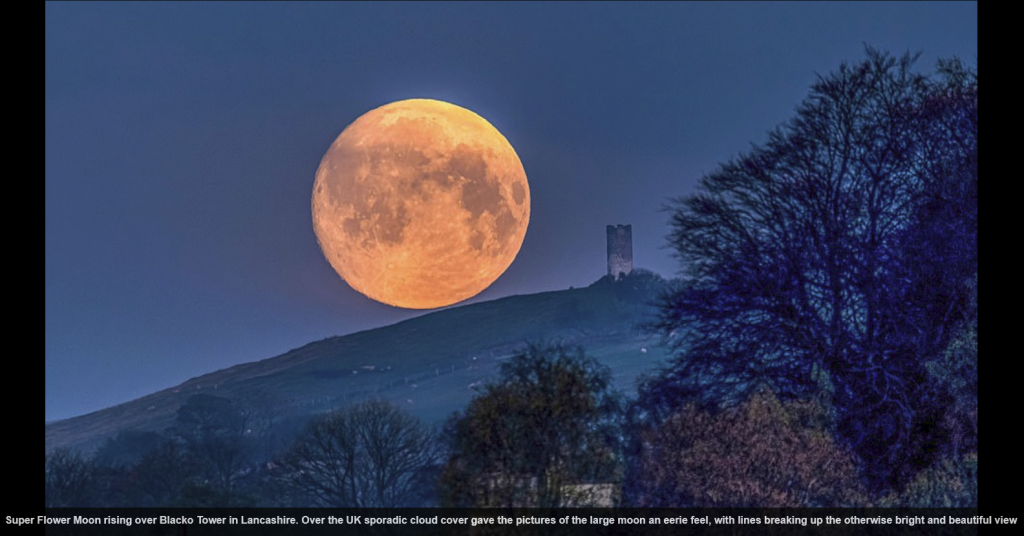
- During a lunar eclipse, Earth gets in the way of the Sun’s light hitting the Moon. That means that during the night, a full moon fades away as Earth’s shadow covers it up.
- The Moon often looks reddish because Earth’s atmosphere absorbs the other colors while it bends some sunlight toward the Moon.
- During a Total Lunar Eclipse, the Moon is shining from all the sunrises and sunsets occurring on Earth.
- According to The Old Farmer’s Almanac, the Full Moon that occurs in May is known as the Flower Moon.
- The Flower Moon is a reference to the flowers that are blooming in May as they reach their full bloom leading up to Midsummer (June 20-25) and has been attributed to Native American Algonquin tribe who are indigenous to Eastern Canada and the New England in the United States.
- When the Moon is full and at the closest point in its shared orbit with the Earth, it is known as a Super Moon. It appeared 30 percent brighter and 14 percent bigger than normal around the world overnight with surface features clearer.
- Astrologically, events which occur during a Lunar Eclipses are memorable and sometimes have historical significance.
- The first-century Roman-Jewish historian Josephus stated that the brutal tyrant Herod I, the Roman vassal-state king of Judea who ruled the province around the time Christ was born, died shortly after the Total Lunar Eclipse on January 26, 1 B.C. at the age of 70 in his 37th year of reign.
- The Partial Blood Moon Lunar Eclipse that was seen during the Fall of Constantinople (the capture of the capital of the Byzantine Empire that lead to its collapse), during the siege that lasted from Thursday, April 5, 1453, until Tuesday, May 29, 1453, after which the city fell to the Ottoman Turks.
- The Partial Blood Moon Lunar Eclipse of 1453, fulfilled a long-held prophecy for the demise of Constantinople and the empire.
- Events that take place 10 days before a Lunar Eclipse 15 days leading up to a successive Solar Eclipse generally work out in an unexpected fashion = affairs often take turns that are not anticipated.
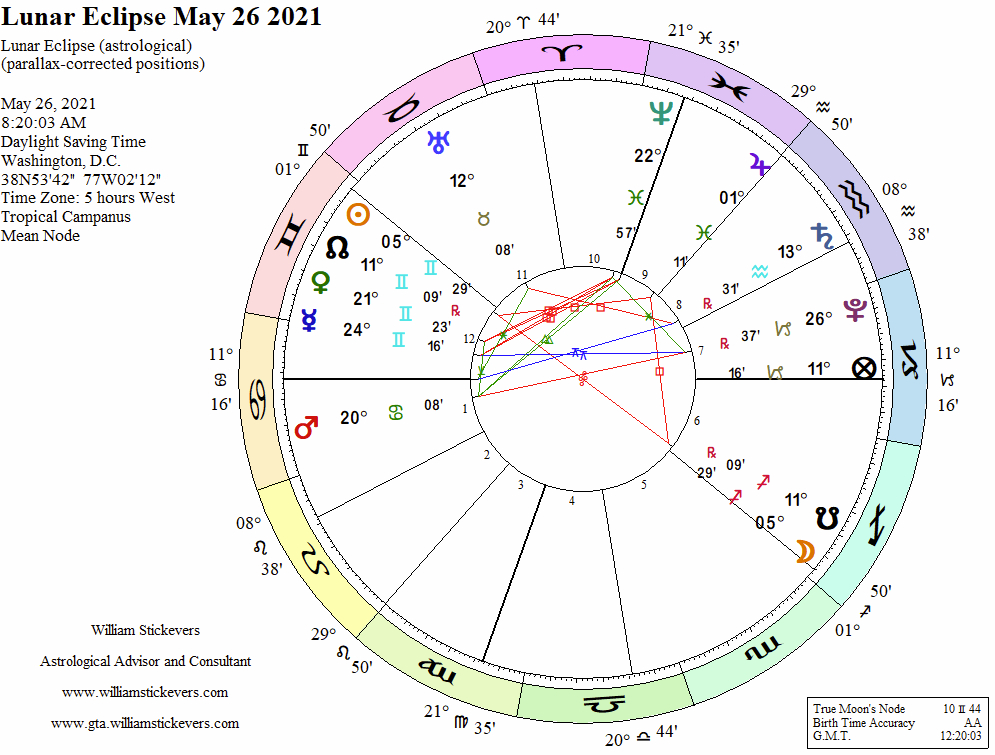
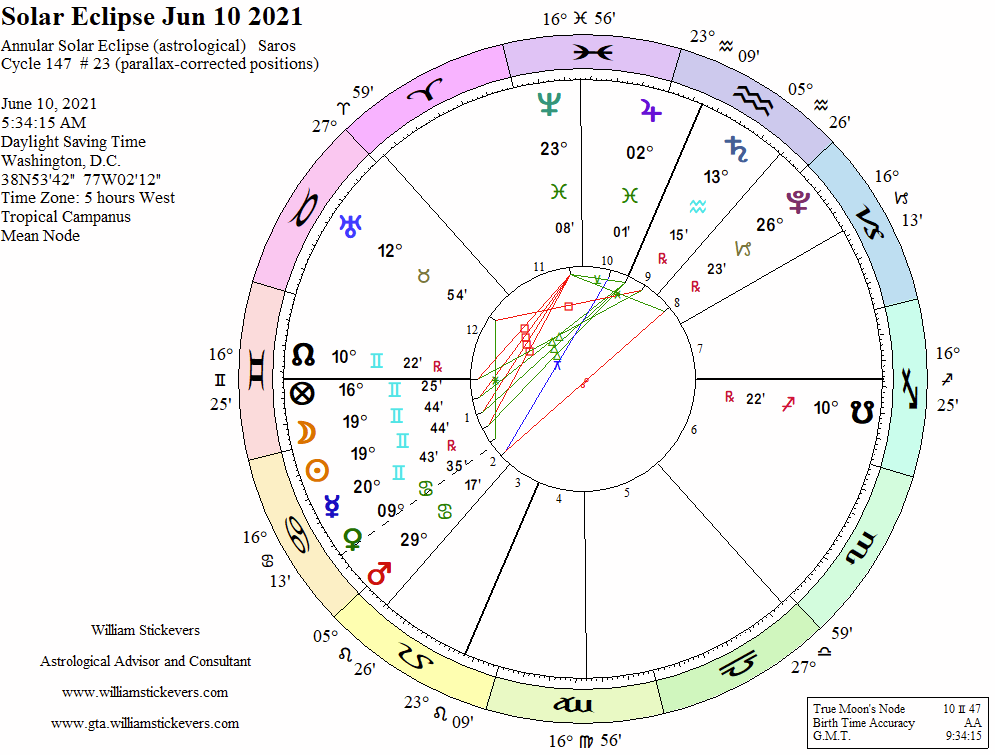
The May 26th Total “Flower Super Blood Moon” Lunar Eclipse is succeeded 15 days later by the Annular Solar Eclipse 15 days on June 10th.
cant wait for this! jelly of you guys in north america