
536 A.D. The Worst Year In History

The term “worst year ever” gets tossed around a lot these days, on the internet due to the ongoing COVID-19 Pandemic. However, more than 1,000 years ago, one specific year makes a very good case for being the darkest in human history. The most recent darkest years in human history are:
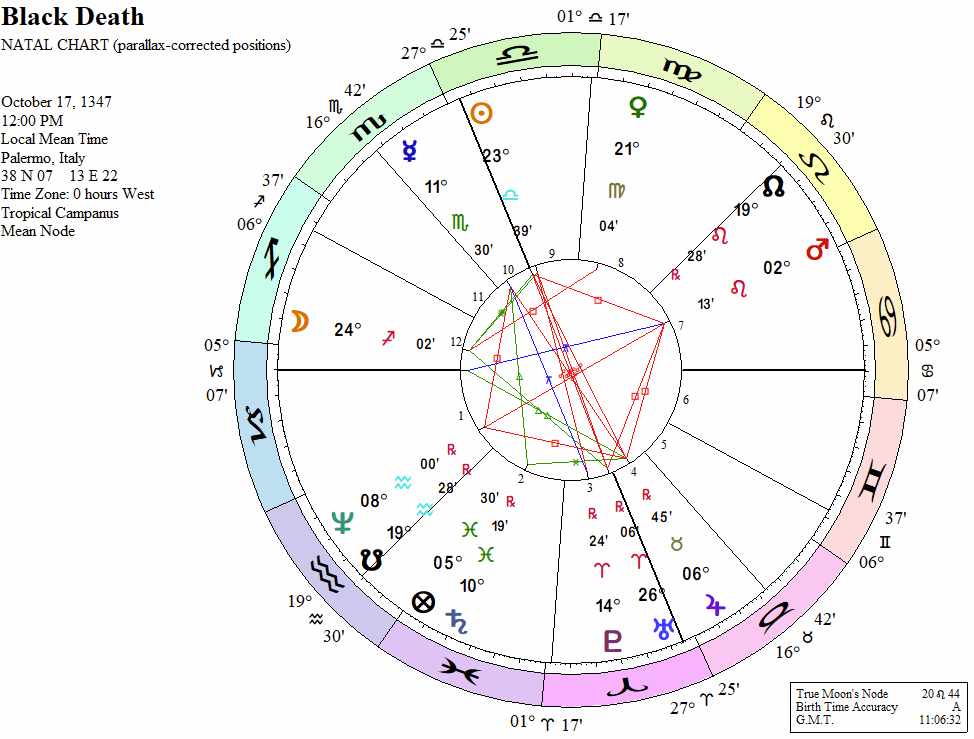
- The year 1347 saw the Black Death kill half the population of Europe.
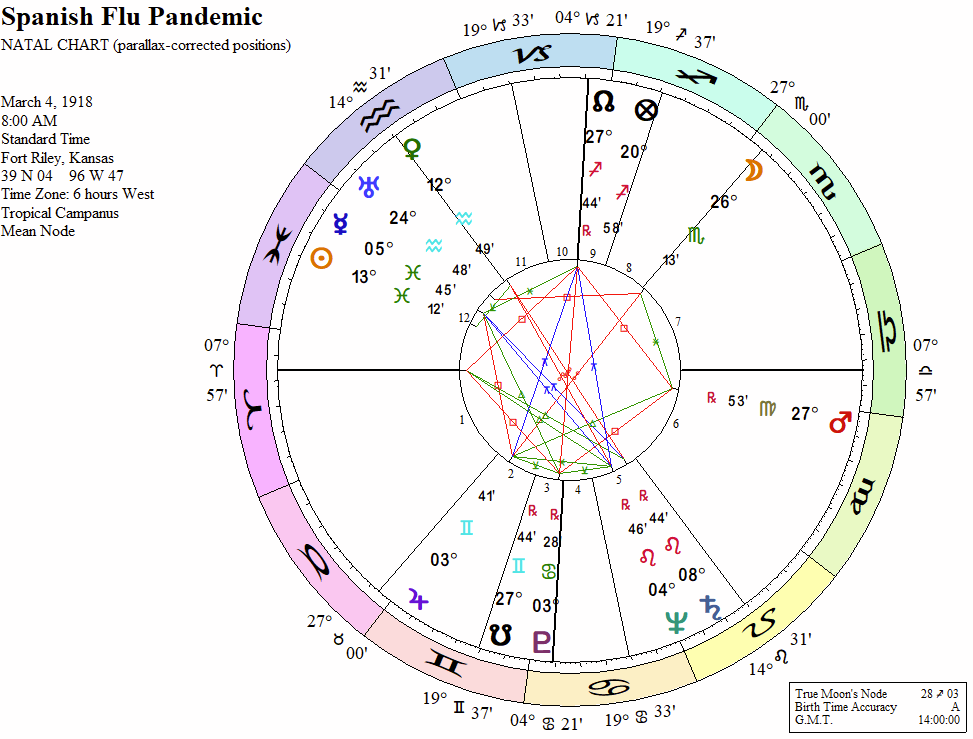
- In 1918 World War I was ravaging in Europe, Africa, and the Middle East, and the Second Wave of the Spanish Flu led to the deaths of over 50 million people worldwide.
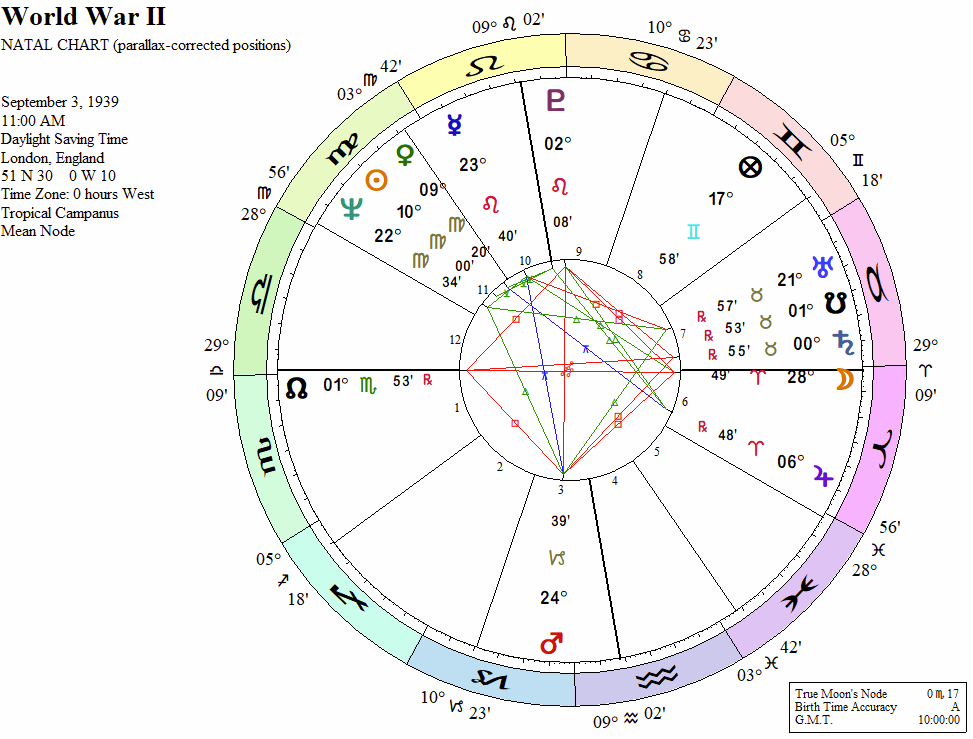
- The rise of Hitler and the outbreak of World War II resulting in over 60 million deaths throughout the globe, is often claimed to be the turning point in modern history.
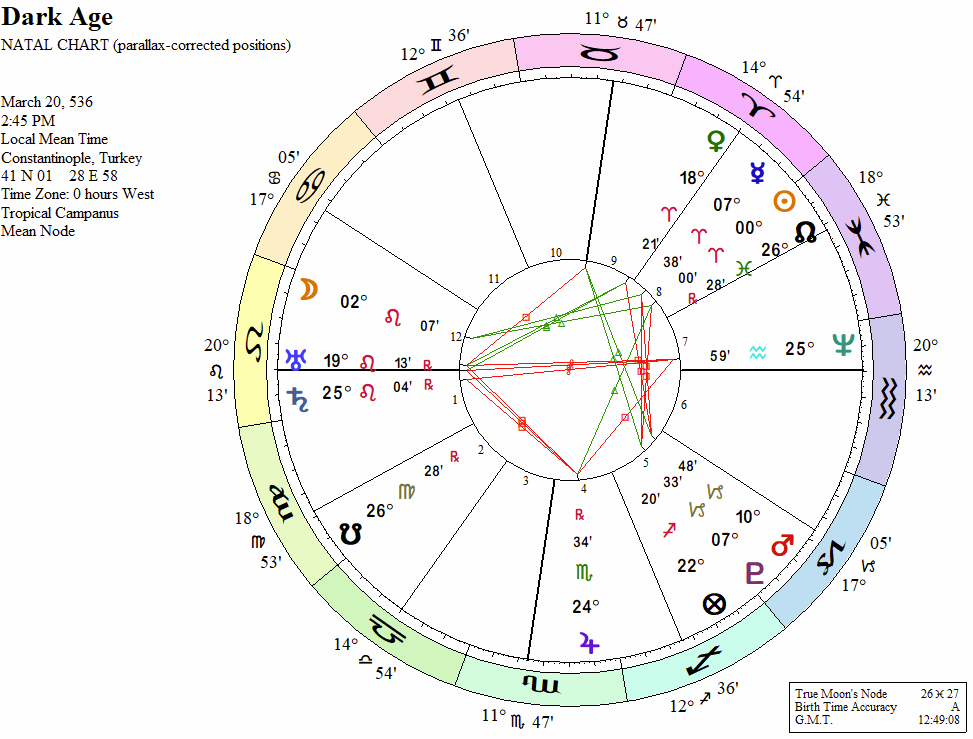
- The “Dark Age” is a historical periodization traditionally referring to the early Middle Age (500 – 800 A.D.) that asserts that a demographic, cultural, and economic deterioration occurred in Western Europe following the decline and collapse of the Roman Empire (410 – 476 A.D.).
The sixth-century has widely been referred to as the Dark Ages, but the true source of this darkness had previously been unknown to scholars. However, Dr. McCormick a Harvard University archaeologist and medieval historian, and glaciologist Paul Mayewski at the Climate Change Institute of The University of Maine (UM) in Orono believe to have finally put the riddle to bed.
Recently, researchers led by McCormick and glaciologist Paul Mayewski, have discovered that a volcanic eruption in Iceland in early 536 A.D. led to incredibly large quantities of ash being spread across much of the globe, creating the fog that cast the world into darkness. This eruption was so immense that it altered the global climate and adversely affected weather patterns and crop cultivation for years to come (Antiquity).
“it was the beginning of one of the worst periods to be alive, if not the worst year.”
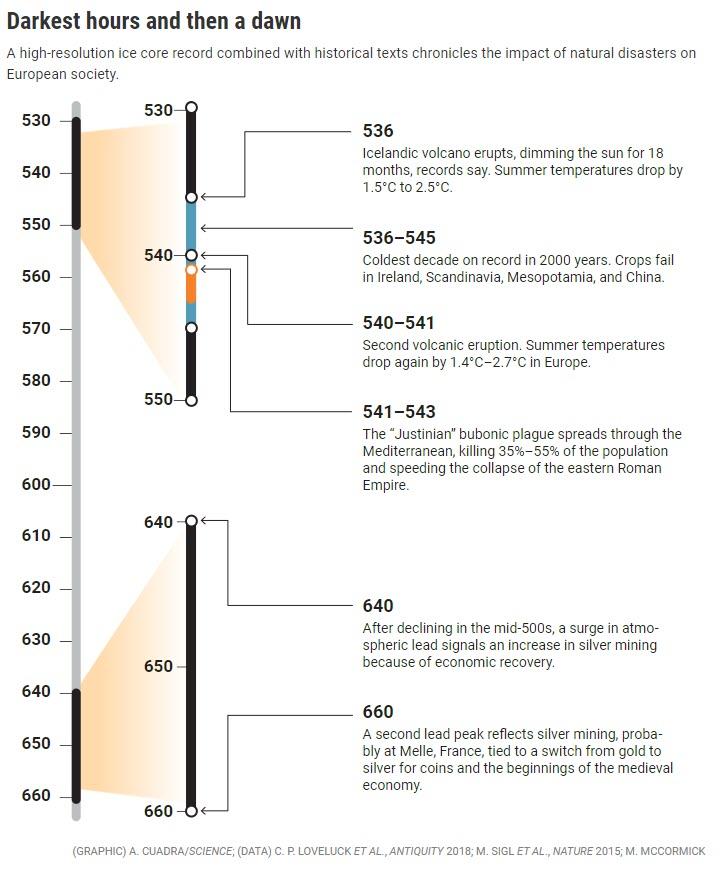
Michael McCormick, states that the year 536 began with an inexplicable, dense fog that stretched across the world which plunged Europe, the Middle East, and parts of Asia into darkness 24 hours a day, for nearly 2 years. The world did not show signs of recovery until 640AD.
‘It was the beginning of one of the worst periods to be alive, if not the worst year,’ Dr. McCormick said.
The eerie fog created a drab world with darkness residing over the northern hemisphere for 18 months, with an unrelenting dusk persevering through day and night.
Effects on the climate were so severe that the Irish chronicles tell of ‘a failure of bread from the years 536–539’.
Temperatures in the summer of 536 fell between 1.5°C (2.7°F) and 2.5°C (4.5°F), initiating the coldest decade in the past 2,300 years. As a result, famine was rampant and crops failed all across Europe, Africa, and Asia.
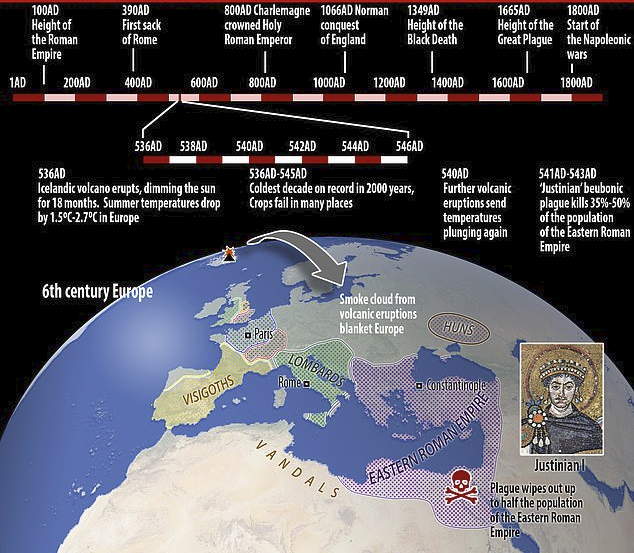
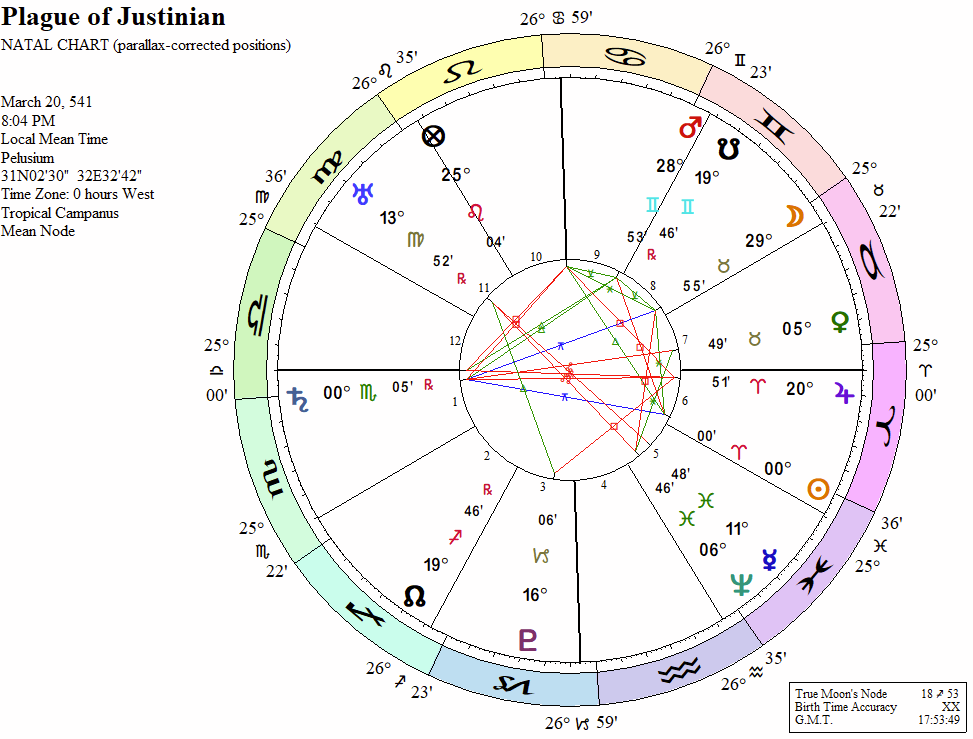
Unfortunately, 536 A.D. seemed to only be a prelude to further misery. Analysis of ice cores – natural time capsules of Earth’s geological past – also unearthed another volcanic eruption that followed in 540 A.D. In 541 A.D. an outbreak of bubonic plague struck the Byzantium Empire’s outpost at Pelusium in Egypt after a second volcanic eruption occurred in 540 A.D. resulting in another drastic drop in summer temperatures in 541 A.D. The period of extreme cold and starvation compounded by the rapid spread of the bubonic plague caused economic disaster in Europe, Africa, and the Middle East, that further led to the death of 100 million people and almost half of the Byzantine Empire.
We should look back to the year 536 A.D. and cherish how fortunate we are not to have lived in a time when the world was truly in darkness.
I wonder if Yellowstone will blow soon.
Looks like it just might!